Discover Dunmore's Hidden Heritage
This route isn't a challenge — it's a stroll through living history. You'll walk past five cottages, each one restored with care and marked with information plaques telling the stories of the families who lived there. The path meanders through quiet lanes where you're more likely to meet sheep than cars. Most people finish in about an hour, though you'll probably want to linger.
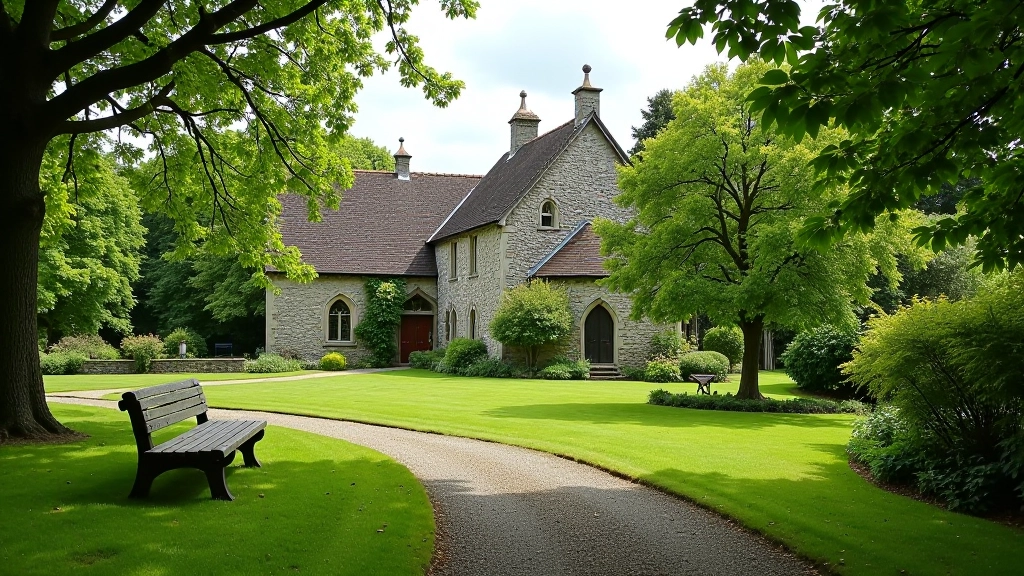
We've chosen this route specifically because it works for anyone. Pensioners, families with young kids, people recovering from injury — they've all walked it comfortably. There's a bench every half-mile or so, and you can turn back at any point if you need to.
What You'll See on the Walk
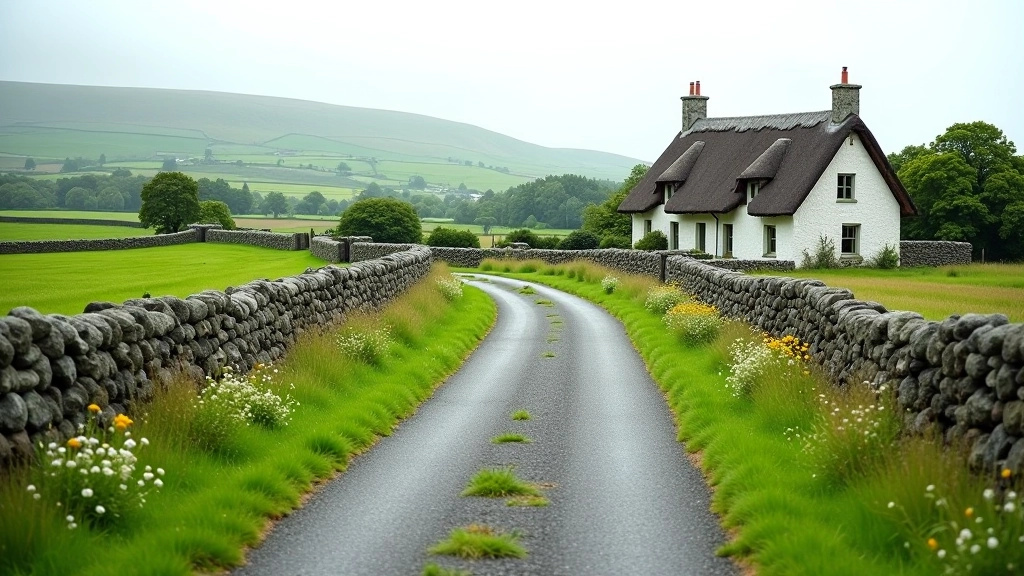
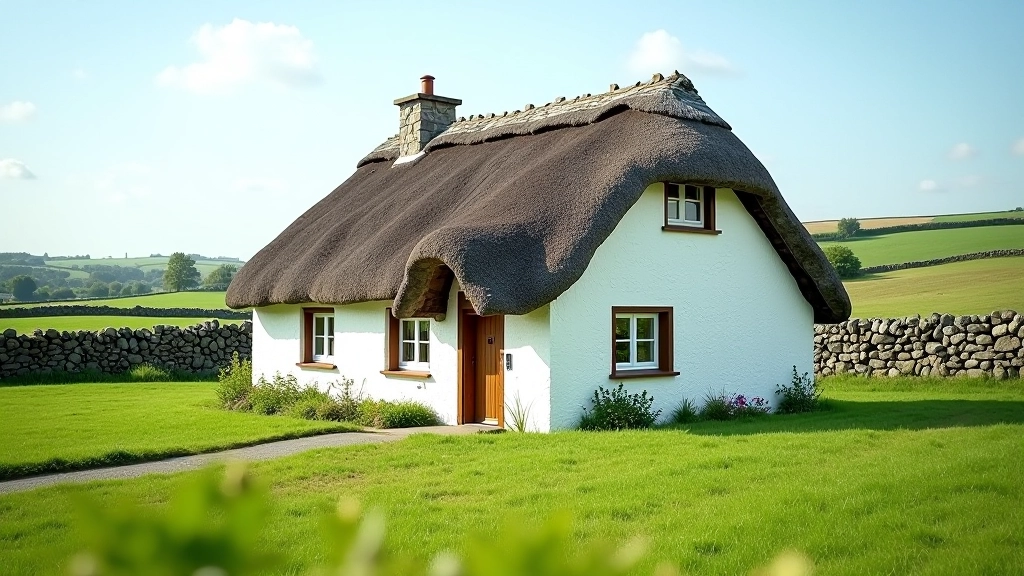
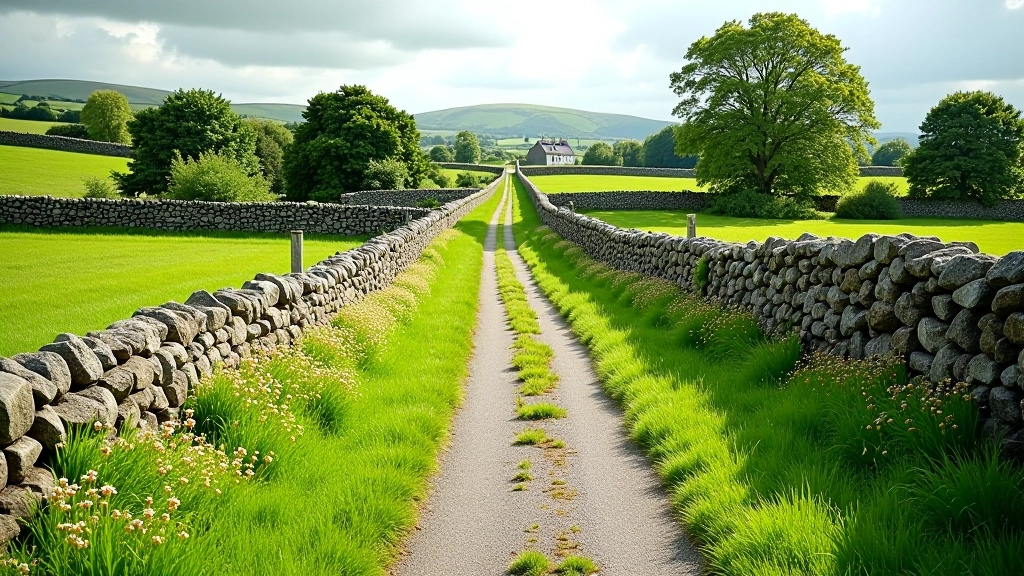
The route starts at the village green and heads west past the old schoolhouse. You'll notice the stone walls here are original — built in the 1850s from local limestone. The first cottage appears after about 300 meters. It's painted white, with a thatched roof that's been maintained using traditional methods. The plaque tells you about the Mahoney family who lived there for three generations.
As you continue, the path becomes narrower. This is a real boreen — the kind locals have walked for centuries. The second and third cottages sit close together, separated by a small stone wall. Both have been restored in recent years, and you can see the care that's gone into keeping them authentic. Thatch roofing doesn't happen by accident — it requires specialist craftspeople, and Dunmore's been fortunate to have skilled thatchers nearby.
The landscape opens up a bit as you approach the fourth cottage. This one sits alone, surrounded by fields. On clear days, you can see toward the coast from here. The final cottage is positioned near the millrace path, connecting this route nicely to other walks in the area.
Practical Information for Your Walk
Distance & Time
2 miles total. Most people walk it in 45 minutes to an hour. You can easily do it in the morning and be back for lunch.
Terrain
Mostly flat. About 80% is proper path or quiet road. The remaining section is grassy boreen, which can be soft underfoot in wet weather.
Best Time to Visit
Spring through autumn is lovely. Summer's warmest. Winter's manageable but can be muddy. Avoid after heavy rain if you're not confident on soft ground.
What to Bring
Comfortable walking shoes (not flip-flops). A light jacket — weather changes quickly. A small bottle of water. The sun doesn't feel strong until it's too late, so sunscreen matters.
Navigation
The route is marked with small stone cairns at decision points. If you don't see one for more than 10 minutes, you've probably taken a wrong turn. Turn back and look again.
Signal & Facilities
Phone signal's spotty in places. No public toilets on the route itself, but the village has facilities. Public benches appear every 400-500 meters.
Why Thatch Matters
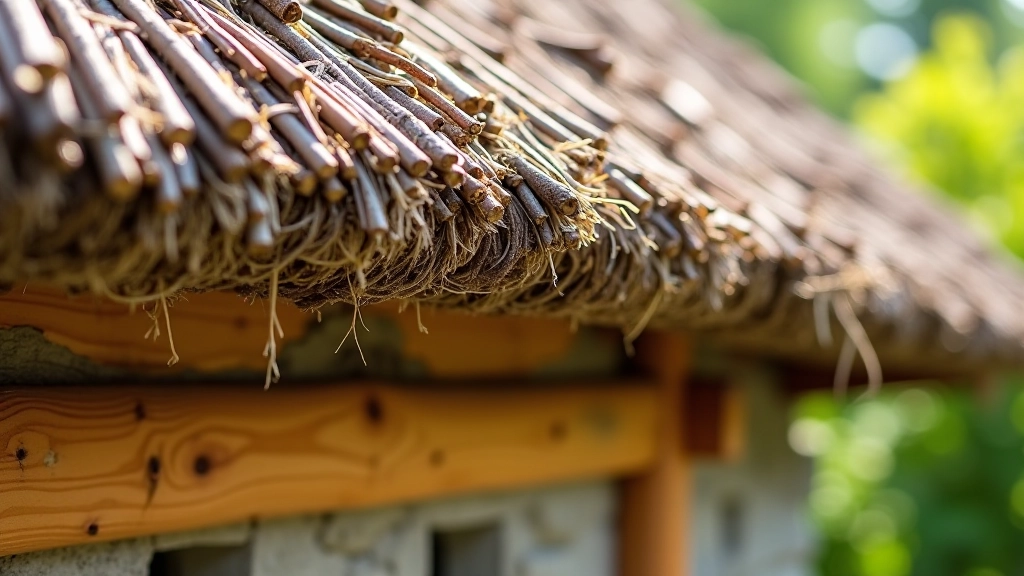
Thatched roofs aren't quaint relics. They're evidence of sustainable building that worked for centuries. Thatch keeps cottages warm in winter and cool in summer. It's biodegradable, recyclable, and beautiful. When you see a properly maintained thatch roof, you're looking at a skill that nearly disappeared but's being revived by a new generation of thatchers.
The cottages on this walk show different thatching styles and ages. Some have ridge details you won't see on others. The plaques at each cottage explain what you're looking at, so you don't need prior knowledge — just curiosity and time to read them.
Extending Your Visit
This route connects naturally to two other walks in the area. If you've got more time, you can link this to the Millpond Path at the western end — adding another 1.5 miles and taking you past the working mill. Or head toward the village centre loop for a different perspective on Dunmore's architecture. Many visitors do all three routes across a weekend, taking breaks for tea and chat with locals who often have stories to share.
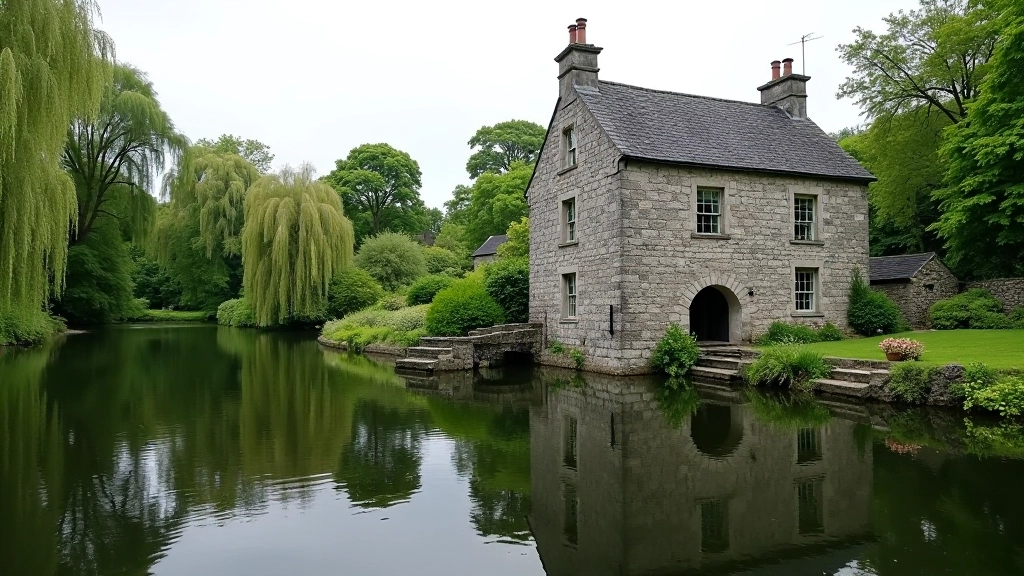
The Real Experience
You'll notice things on this walk that photos can't capture. The smell of cut grass in summer. The sound of birds that you never hear in towns. The way light hits whitewashed walls differently depending on the hour. This route works because it's genuine — no manufactured heritage, no fake attractions. Just real cottages, real history, and real countryside that people have walked for generations.
It's the kind of walk you'll want to do again with different people. Each time, you'll notice something new.
Important Information
This guide is for educational and informational purposes. Walking conditions, accessibility, and availability can change due to weather, maintenance, or private land access. We've described the route as accurately as possible based on current conditions, but you should verify details locally before visiting, especially if you have mobility concerns. Always respect private property, close gates behind you, and follow local walking guidelines. If you have specific health conditions or mobility limitations, consider walking with a companion or contacting local guides who can provide real-time guidance.