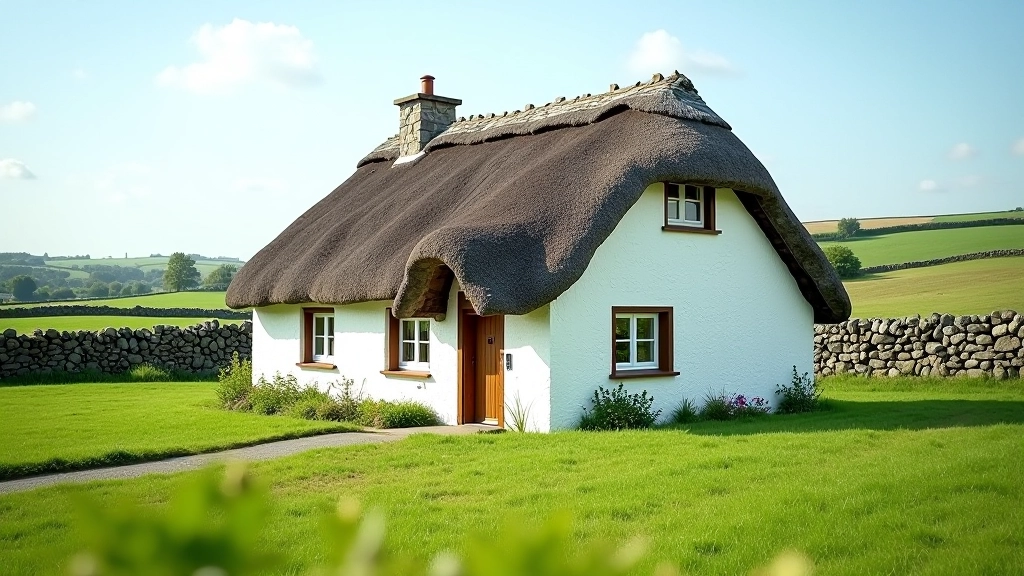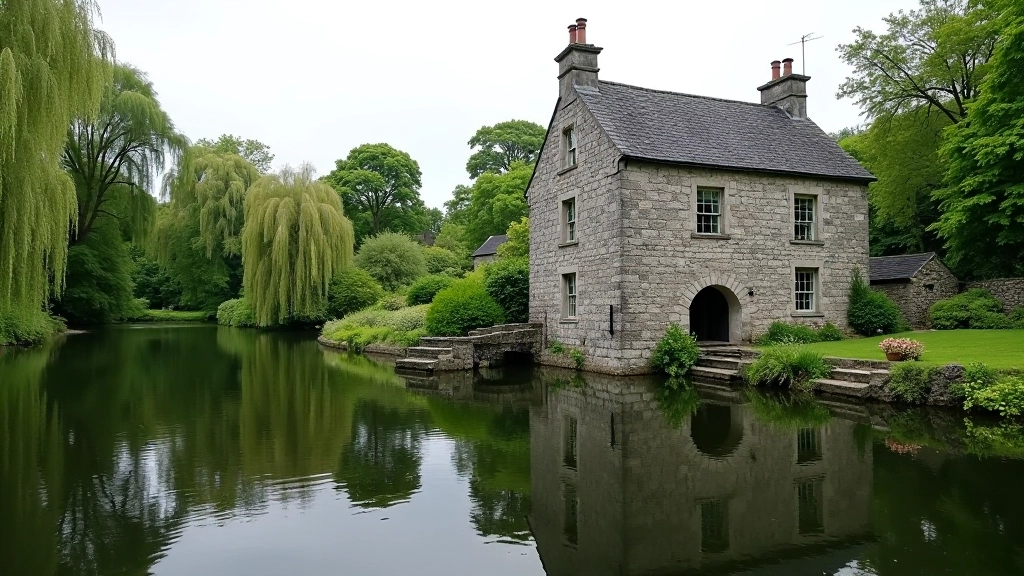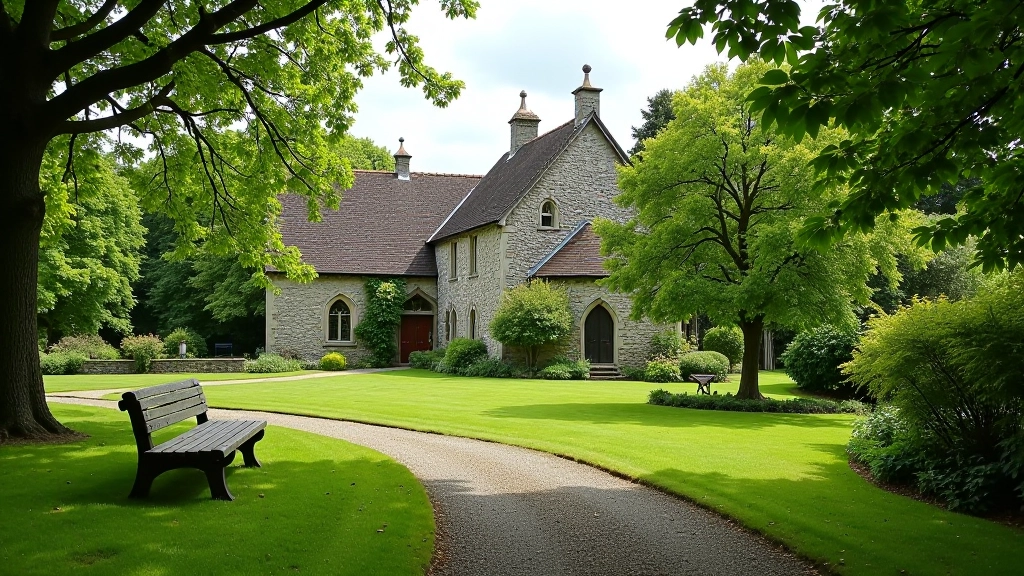
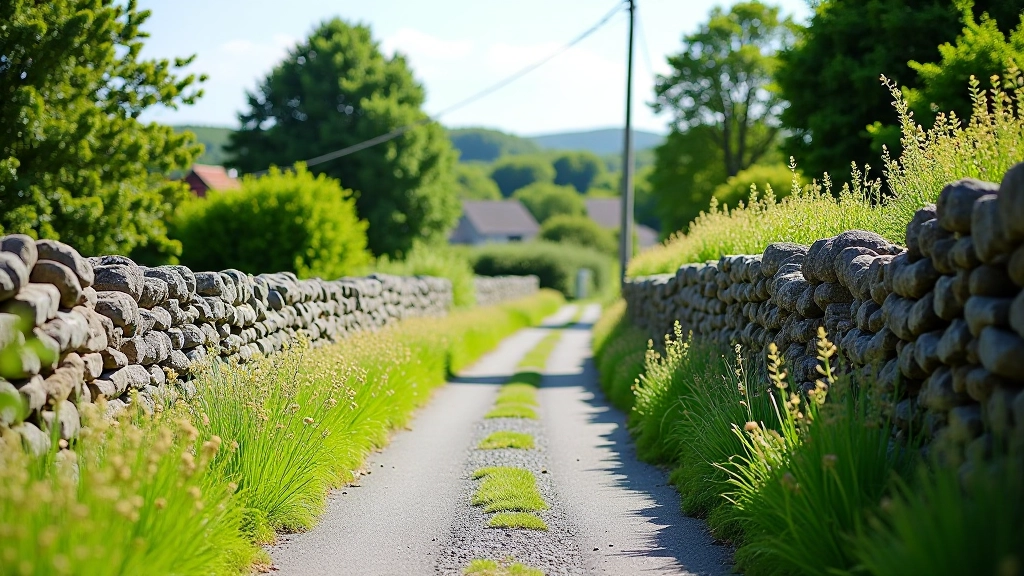
A boreen — that's an old Irish country lane — winds through fields of limestone and wild vegetation near Dunmore. You won't find crowds here. What you'll find instead is exactly what makes these walks special: stone walls worn smooth by centuries of farmers and travelers, wildflower banks in summer, and views across farmland that hasn't changed much in decades.
The route follows traditional pathways used by locals for generations. It's not a manicured trail with signs every hundred meters. It's the real thing — a working landscape where you're walking the same route people have walked for centuries. The terrain's gentle enough that most fitness levels can manage it, though sturdy shoes are essential.
- Distance: 3 miles (4.8 km)
- Time: 1.5 to 2 hours
- Terrain: Boreen paths, field tracks, minimal road walking
- Difficulty: Moderate — gentle slopes, uneven surfaces
What Makes This Route Special
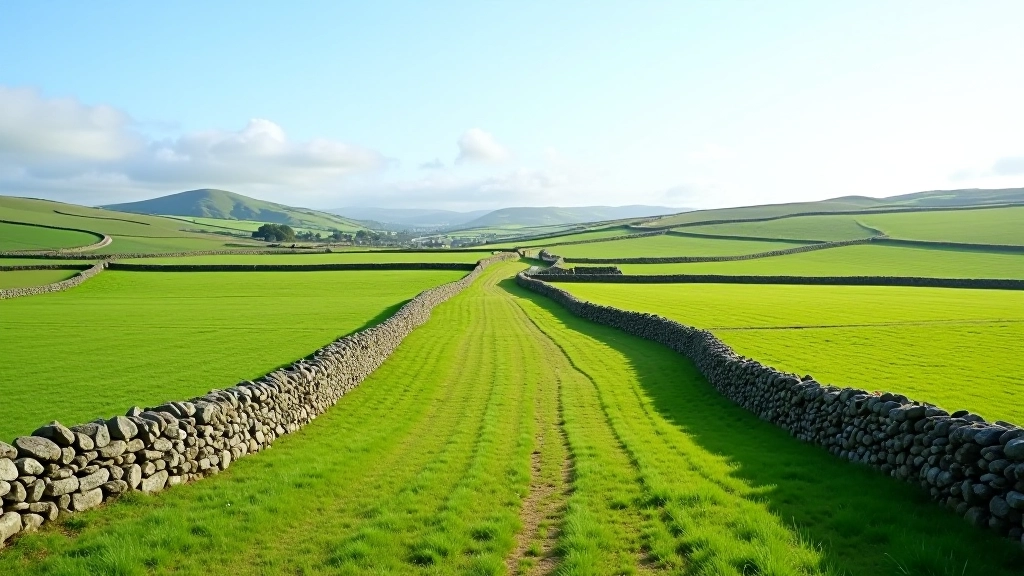
The boreen system developed over centuries. Farmers needed routes between fields and villages that didn't cross main roads. These pathways became standardized — wide enough for a horse and cart, bordered by stone walls built from field clearance. What's remarkable is how many of these routes still exist largely unchanged.
Walking one feels different from a forest trail or coastal path. You're moving through actively farmed land. Fields are still in use. You'll see cattle, hear birds you don't get elsewhere, and notice how the landscape shifts seasonally. Spring brings different colors than autumn. The walk rewards repeat visits.
Flora Diversity
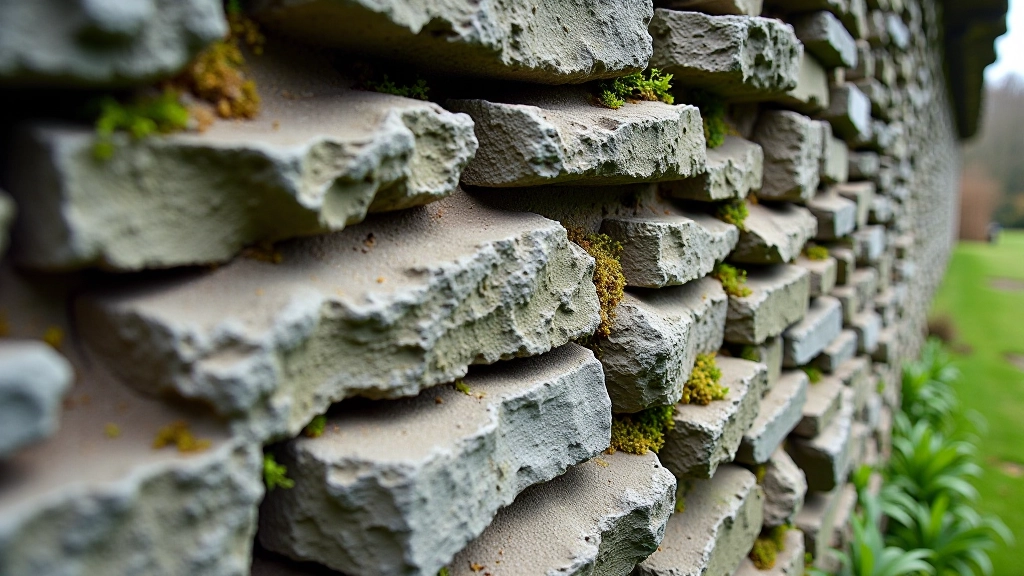
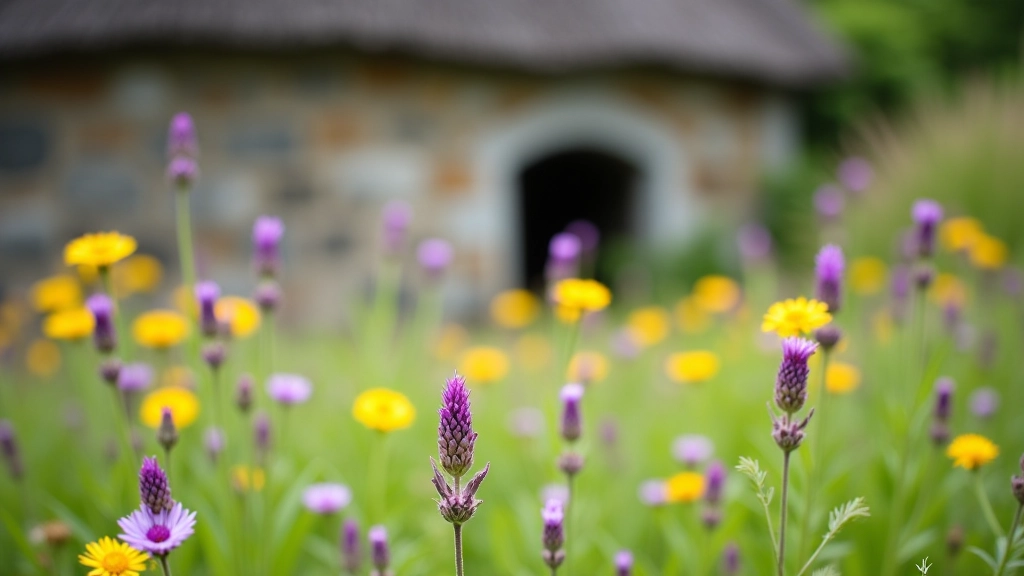
Stone walls host ferns, mosses, and wildflowers. Hawthorn hedgerows bloom white in May. Field margins burst with color through summer.
Wildlife Watching
Early morning offers best birdwatching — curlews, lapwings, and skylarks. Rabbits, hedgehogs visible year-round in quiet sections.
Landscape Views
Open fields reveal distant hills. On clear days you'll spot landmarks across multiple parishes. Each rise offers different perspective.
Walking the Route: Step by Step
The walk starts near Dunmore village and follows a logical loop. Don't expect dramatic mountain scenery — this is subtle, intimate countryside. The appeal is in details: how light hits stone walls, the sound of curlews calling, the way paths change under your feet as you move between different field types.
Start at Village Junction
Begin near the old schoolhouse. The first section follows a quiet road briefly before turning into the boreen system. You'll pass traditional stone cottages, some occupied, some abandoned. These structures tell the story of rural life over the past century.
Enter the Boreen Network
Once you're on the boreen paths, the experience shifts. The walls rise on either side, narrowing your view but intensifying your sense of being in a working landscape. Walking surfaces vary — sometimes firm earth, sometimes grass, occasionally loose stones. This is why good boots matter.
Reach the High Ground
Around the 1.5-mile mark, the path climbs gently to higher ground. Here the walls open up slightly, revealing views across multiple fields. You'll see how the landscape is divided, how farms are organized, how traditional land use shaped what you're looking at.
Loop Back via Field Paths
The return follows different routes — field-edge paths that give wider perspectives. You'll cross a small stream (usually dry in summer), pass through working farmland, and gradually descend back toward the village. The final section returns via quieter roads.
Practical Information You'll Need
Preparation makes a difference on this walk. The boreen system isn't maintained to the same standard as official trails. Surfaces are uneven. Drainage can be poor after rain. But with proper planning, you'll have a genuine Irish countryside experience that most visitors never access.
Best Time to Visit
May to September offers the most reliable weather and best visibility. Spring (April-May) brings wildflowers and birds. Autumn (September-October) offers clearer air and golden light. Winter visits are possible but paths become muddy and daylight is limited.
What to Bring
Sturdy walking boots with good grip are essential — terrain is uneven and can be slippery. Waterproof jacket and trousers even in summer. Insect repellent helps in warm months. A map or GPS app since waymarking is minimal. Water and snacks for the duration.
Difficulty Reality
Intermediate isn't about elevation — it's about surface. The route is relatively flat, but uneven ground, potential muddy sections, and navigation challenges mean it's not beginner-level. Walking poles help on steep bits and reduce strain on knees.
Getting Started
Park near Dunmore village center. Start early — you'll want daylight for the full route and won't encounter traffic on the boreen system. Allow 2 hours minimum. The walk doesn't have defined start/end facilities, so plan bathroom breaks before you begin.
The Human Element
This landscape exists because people made choices about land use. The boreen paths mark generations of practical decisions. The stone walls represent enormous labor — clearing fields, building boundaries. Walking here connects you to that history directly.
You're also walking through a living landscape. Farmers still use these routes. Cattle still graze these fields. Gates and paths exist for practical reasons, not for tourists. Respect that reality. Close gates behind you. Stay on marked paths when crossing fields. The walk works because local people allow access — don't take that for granted.
The Scenic Boreen walk isn't about ticking off a destination. It's about spending two hours in a landscape that's been shaped by human activity over centuries, yet still feels wild and untamed. You'll return to the village having barely seen another person, having experienced Ireland as it actually exists — working farmland, not tourist spectacle.