malaysia-expressbus Logo Malaysia-expressbus

Millpond Path and Mill Heritage Trail

Follow the historic water race past a working mill. A gentle route with frequent rest points, perfect for exploring the mechanics of grain milling and the landscape that powered it.

10 min read Beginner June 2026

The Route and What You'll See

This trail follows the millrace — the artificial channel that carried water from the dam to power the mill wheel. It's a fascinating piece of engineering that's still visible today. The route spans about 1.5 kilometers and takes roughly 45 minutes at a comfortable pace, though you'll probably want to linger longer.

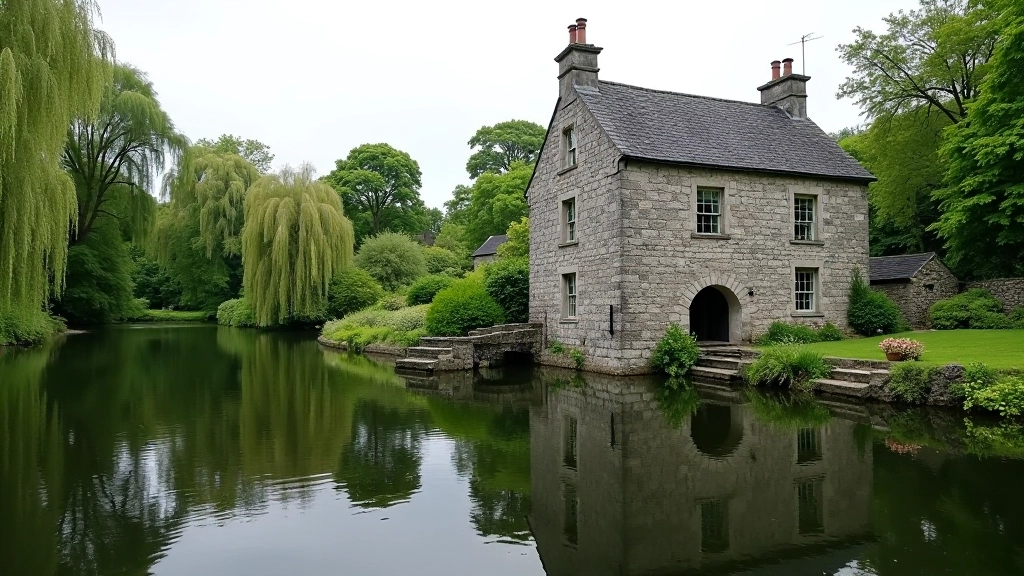
You'll start at the millpond itself, where water was collected and stored. The pond's banks are lined with mature trees, and there's a wonderful sense of peace here. From there, the path follows the race downhill toward the mill building. The stone structure dates back to 1847 — you can see the date carved above the main door.

What makes this trail special is that the mill is still working. On certain days you can watch the wheel turn and hear the grinding stones at work. It's remarkable how little has changed in the mechanical process — grain still gets milled by the same water-powered principles as it did 175 years ago.

Rest Points Along the Way

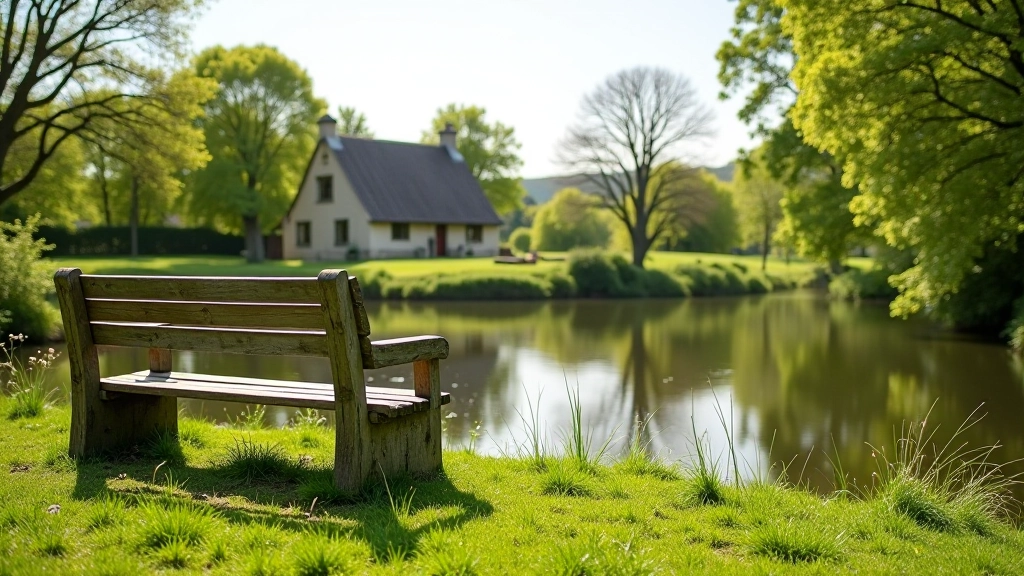
Benches are positioned every quarter mile, making this route accessible for walkers who need regular breaks. Five benches in total offer different views — some overlook the millpond, others face into the woodland. There's shade available at most stops.

Wooden bench situated on grassy bank overlooking millpond with water reflections and trees in background

The Story of Water-Powered Milling

Water mills were essential to rural communities. Before industrial milling, every village needed a mill to grind grain into flour. The miller held an important position — he was trusted with people's grain and responsible for fair processing.

This particular mill ground grain for surrounding farms and small businesses. The millrace you walk along was dug by hand, channeling water from the dam with precise engineering to maintain consistent flow. It's a remarkable example of how practical knowledge was embedded in the landscape itself.

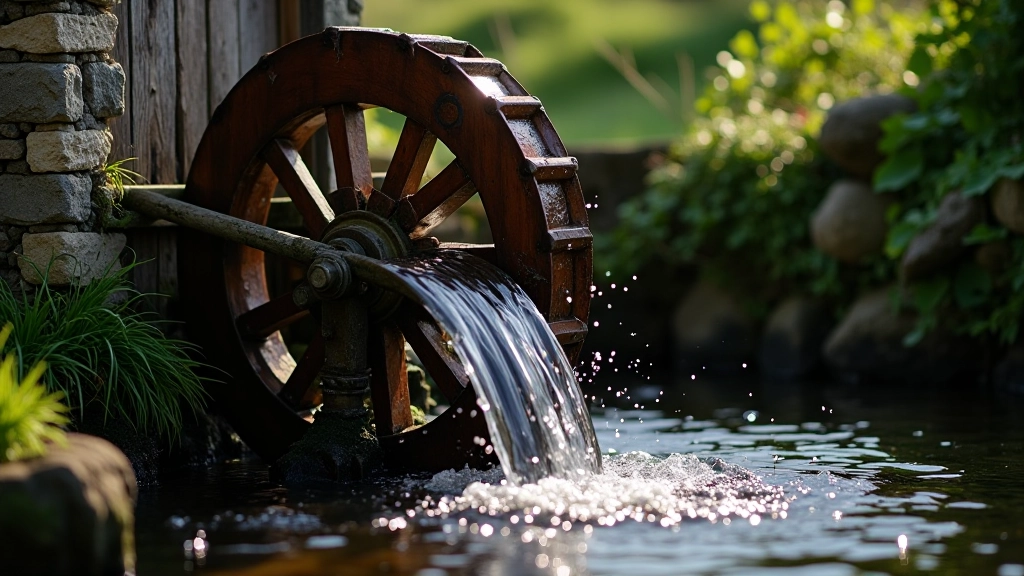
The mill building itself is built from local stone with a slate roof. Inside, you'll find the massive waterwheel — about 4 meters in diameter — and the grinding stones stacked above. When water flows through, the wheel turns at roughly 15 rotations per minute, driving the upper stone against the lower one.
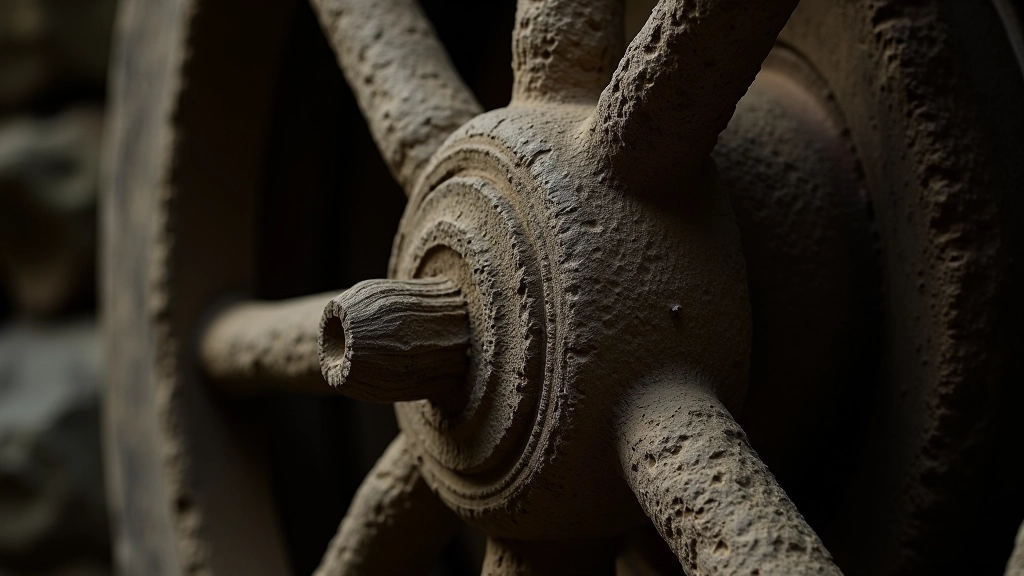
Close-up of traditional millstone with spiral grooves, worn texture from centuries of grain grinding

What to Know Before You Go

Footwear and Terrain

The path is well-maintained and mostly level. After rain it can be muddy near the millpond area, so waterproof shoes are sensible. The millrace path itself has good grip — no steep sections at all.

Weather and Timing

Spring and early summer are lovely — the trees are full and the light is excellent. Autumn brings color. Winter is quieter and you'll see the water features more clearly, but mornings can be damp. There's no shelter along the path, so a light rain jacket is practical.

Parking and Access

There's a small car park near the millpond entrance — about 8 spaces. The route starts from there and is mostly wheelchair accessible for the first 500 meters. The full 1.5 km route has some slight inclines in the later sections.

What to Bring

Bring water — there are no fountains along the path. A camera is worthwhile, especially if you're interested in the architecture. If you're visiting on a mill demonstration day, allow extra time to watch the milling process in action.

Understanding the Mill Mechanism

If you're curious about how the mill works, here's the basic process. Water from the dam flows down the race with enough force to turn the waterwheel. This mechanical energy is transferred through a shaft system to the grinding stones above. The lower stone stays still while the upper stone rotates against it, crushing grain between them into flour.

The miller controlled the flow of grain using a simple chute system — too much grain and the stones jam, too little and you're wasting the water's power. It was skilled work. A good miller understood the weight of grain, the speed of the wheel, the consistency of water flow, and how all these factors affected the final flour quality.

The millrace itself is an engineering marvel. It was dug to maintain a steady slope — too steep and the water moved too fast, too shallow and pressure was lost. The walls are lined with stone to prevent erosion. You can still see tool marks from where the stones were fitted, showing the craftsmanship involved.

Water flowing over wooden mill wheel with cascading droplets and splashing, sunlight catching the water movement

Why This Walk Matters

Walking this route isn't just pleasant exercise — it's a direct connection to how rural communities actually worked. Every village had a mill. Every family depended on the miller. The waterwheel you see turning today is the same technology that sustained generations of people in this area.

The trail is accessible and thoughtfully designed with rest benches positioned exactly where you'd want them. You can go at whatever pace suits you. Take time at the millpond to sit and watch the reflections. Stop on the race path and listen to the water. Stand in the mill and feel the energy of the wheel turning.

This is heritage you can experience with all your senses — not just read about in a museum. That's what makes it special.

Ready to explore more heritage walks in the area?

Browse All Walks
Mairead O'Sullivan

Author

Mairead O'Sullivan

Heritage Walks Editor

Heritage trails specialist with 14 years' experience documenting Irish village histories and accessible walking routes for older adults.

Important Information

This guide provides general information about the Millpond Path and Mill Heritage Trail for educational purposes. Walking conditions, accessibility features, and mill operating hours can change seasonally. We recommend checking locally before your visit to confirm current conditions and any restrictions. The route descriptions are accurate as of publication date, but terrain can be affected by weather and maintenance work. Always wear appropriate footwear and bring water. If you have mobility concerns, contact the local heritage office for current accessibility information.